
Washington is the second largest producer of wood products in the United States, including sawn lumber and plywood. This study from the University of Washington sets out to understand the role of Washington’s working forests in mitigating global warming. A comprehensive analysis of the region-specific private forestland is performed, taking into account current growth and […]
Facts & Research
Forest policy should be based on facts and science, not ideology and fear-mongering. Learn the truth about our forests and our incredible industry.
2019 Ross Report Now Available
The 2019 Ross Report is now available. Compiled by AFRC Federal Timber Program Director Andy Geissler, the annual report includes details and analyses of the U.S. Forest Service Region 6 Timber Sale Program. An overview of the 2019 report can be found here.
R1 Post Fire Repsonse
Fire Salvage Progress on Region 1 National Forests.
After The Fire Is Out
What happens after the fires are out? What happens to the forests when the media goes away? Is the landscape replanted, salvaged, or rehabilitated? The answer may surprise you. The actions we take today determine our forests of tomorrow. Thank you to Communities for Healthy Forests for producing this video!
2016 Ross Report Now Available
The 2016 Ross Report is now available. Compiled by AFRC Federal Forest Manager Ross Mickey, the annual report includes details and analyses of the U.S. Forest Service Region 6 Timber Sale Program.
Post-Fire Logging a Boon to Future Fire Prevention
A new study from the journal of Forest and Ecology Management suggests an evidenced correlation between timber harvesting in recently burned forest stands and a reduction of woody fuel during subsequent decades. This decrease in fuel loading can lessen the impact and frequency of catastrophic wildfires for up to 40 years in some cases.
Carbon Storage
In the Inland Northwest, where the forest land base is dominated by federal ownership and the forests are managed for a multitude of benefits, life cycle analysis suggests that the optimal solution for maximizing carbon gain under both current and future climate conditions is to manage forests to maximize long-lived wood products and to minimize the risk of severe wildfires.
Mill Closure Information
The impacts of the Northwest Forest Plan, Eastside Screens, Sierra Nevada Framework and other landscape management plans that have been implemented during the past 20 years on federal timber lands have severely impacted the number of sawmills that remain in the west and those employed by the forest products industry.
Old Growth
The amount of old growth on federal lands increases every year. Wildfire is by far the major threat contributing 87% (102,500 acres) of what was lost in the first ten years of the Northwest Forest Plan.
Forest Management and Carbon Storage
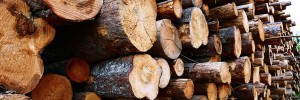
In the Inland Northwest, where the forest land base is dominated by federal ownership and the forests are managed for a multitude of benefits, life cycle analysis suggests that the optimal solution for maximizing carbon gain under both current and future climate conditions is to manage forests to maximize long-lived wood products and to minimize the risk of severe wildfires